

Signs Your Landscaping Needs to Be Renovated
Landscaping doesn’t have to be completely dead or failing before it deserves an update. Sometimes a landscape simply stops working for the homeowner. Plants become overgrown, beds become difficult to maintain, the original design loses its structure, or the outdoor space no longer feels inviting.
A landscape renovation gives you an opportunity to work with what you already have while changing the parts that no longer make sense. At LAARK, we often look for ways to use existing trees, shrubs, and landscape features before recommending that everything be removed and replaced.
TL;DR
Giving an Overgrown Landscape a Fresh Start.
Landscaping needs can change as plants mature and your property evolves. Renovating an overgrown or difficult landscape can simplify maintenance, improve problem areas, and create an outdoor space that better fits your home and lifestyle.
What Does Overgrown Landscaping Tell You?
If you’re constantly trimming plants just to keep walkways, windows, or other plants accessible, the original landscape may no longer fit the space. Selective removal, trimming, and redesign can create a cleaner layout.
When Does Landscape Maintenance Become Too Much to Manage?
A lower-maintenance approach can use fewer unnecessary elements and focus on manageable plants, groundcover, mulch, or decorative stone.
What If Your Landscaping No Longer Feels Right for Your Home?
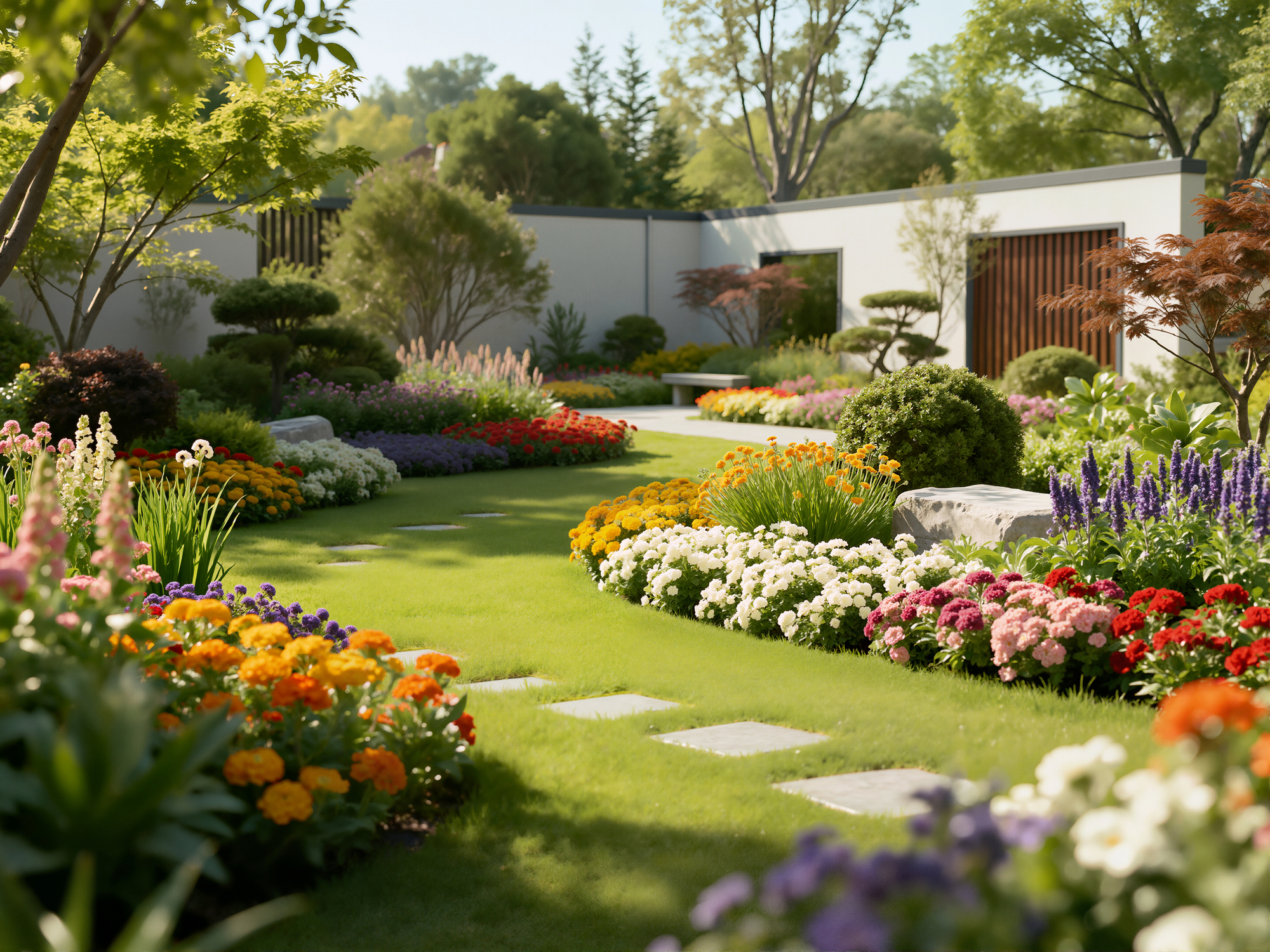
You may want something cleaner, more colorful, easier to maintain, or more reflective of how you use the property today. Flowering annuals or perennials, fresh groundcover, decorative boulders, mulch, stone, lighting, and selective planting can significantly change an existing landscape without requiring a complete replacement.
What Can You Do With Difficult or Unused Areas of Your Yard?
Thoughtful landscaping can sometimes transform these areas with strategically placed shrubs, groundcover, decorative stone, or other features. The goal should be to work with the property’s conditions rather than force a design that doesn’t fit.
Should You Keep Existing Trees and Plants During a Landscape Renovation?
Before tearing out an entire landscape, determine what is worth keeping. Mature trees, healthy shrubs, existing beds, and other established features may provide a strong foundation for the new design.
During a free consultation, LAARK can walk the property with you, discuss what you like and dislike, and brainstorm ways to combine existing features with new ideas while keeping your budget in mind.
Updating your landscaping doesn’t always mean starting from scratch. These FAQs cover ways to reuse existing features, simplify ongoing maintenance, and plan a landscaping renovation around your budget.
No. We often look for ways to retain healthy trees, shrubs, and other features and incorporate them into the updated landscape.
Simplifying the design can help. Reducing clutter and using thoughtfully selected plants, groundcover, mulch, and decorative stone can create an attractive landscape with less ongoing upkeep.
Having a general budget is helpful because it gives us a framework for discussing realistic options. We can then look at the property and determine how to make the best use of that budget.
